
When worry starts racing through your mind, it can be hard to slow down long enough to remember that you are not carrying your burdens alone. God sees the fears you may not know how to explain, understands the weight on your heart, and invites you to bring those concerns to Him.
Scripture reminds us that His peace is available even when circumstances remain uncertain. Here are 15 comforting Bible verses about anxiety to help quiet your heart, strengthen your faith, and remind you that God is near.
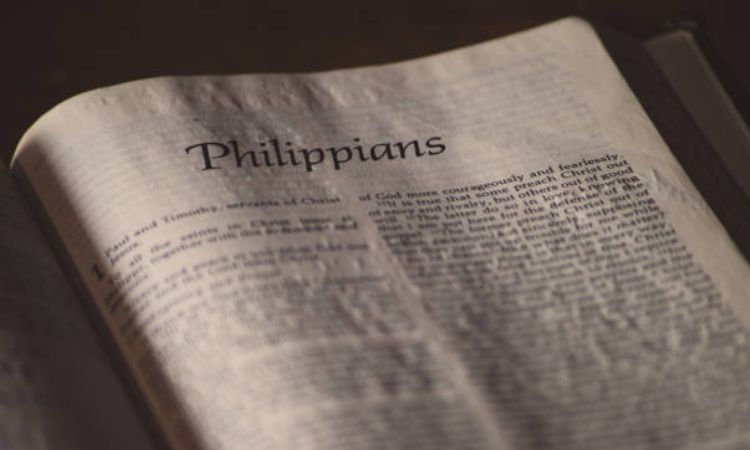
1. Philippians 4:6–7 — Bring Everything to God in Prayer
“Do not be anxious about anything, but in every situation, by prayer and petition, with thanksgiving, present your requests to God. And the peace of God, which transcends all understanding, will guard your hearts and your minds in Christ Jesus.” — Philippians 4:6–7 (NIV)
When anxiety starts filling your thoughts, prayer gives you a different direction to take. Instead of allowing the same concern to circle endlessly in your mind, you can bring it directly to God.
Notice that Paul says to bring every situation before Him. You do not need to decide whether a concern is important enough to mention. If it is weighing on you, it is something you can talk to God about.
The promise is not necessarily that the situation will immediately change. Paul points instead to God’s peace guarding your heart and mind. That peace can meet you even before you know how everything will work out.
Put it into practice: When you notice yourself spiraling, stop and name the specific thing troubling you. Turn it into a simple prayer, then thank God for one thing that remains true despite the uncertainty.
2. Matthew 6:34 — Take Life One Day at a Time
“Therefore do not be anxious about tomorrow, for tomorrow will be anxious for itself. Sufficient for the day is its own trouble.” — Matthew 6:34 (ESV)
Anxiety often pulls us into a future that has not happened yet. We begin solving tomorrow’s problems before tomorrow arrives, imagining conversations, disappointments, emergencies, and outcomes that may never occur.
Jesus brings our attention back to today.
This does not mean you should never plan ahead or prepare responsibly. It means you do not have to emotionally live through tomorrow’s difficulties today. There is enough in the present moment without adding imagined burdens from the future.
Put it into practice: Ask yourself, “What actually needs my attention today?” Focus on that instead of trying to solve every possible future scenario at once.
3. 1 Peter 5:7 — Give Your Burdens to God
“Give all your worries and cares to God, for he cares about you.” — 1 Peter 5:7 (NLT)
One of the most comforting truths in this verse is remarkably simple: God cares about you.
Anxiety can make you feel as though you have to carry every responsibility yourself. Peter reminds us that we can give our worries and cares to God because He is not distant or indifferent toward us.
Surrender is not the same as giving up. It means acknowledging that you cannot control everything and choosing to place what you cannot carry into God’s hands.
Put it into practice: Make a list of the concerns occupying your mind. Pray through them individually, asking God to help you release what you cannot control rather than repeatedly trying to solve it in your head.
4. Joshua 1:9 — Remember That God Goes With You
“This is my command—be strong and courageous! Do not be afraid or discouraged. For the LORD your God is with you wherever you go.” — Joshua 1:9 (NLT)
Fear often becomes stronger when we feel alone. A difficult appointment, unfamiliar situation, major decision, or uncertain season can seem much more frightening when we believe we have to face it by ourselves.
Joshua was reminded that God’s presence would accompany him wherever he went. That same truth can become an anchor when circumstances feel intimidating.
You may not know exactly what will happen next, but you can remember that you are not walking into the unknown alone.
Put it into practice: Before entering a stressful situation, quietly remind yourself that God is with you. Pray for courage rather than demanding that every uncomfortable feeling disappear first.
5. Psalm 94:19 — When Anxious Thoughts Multiply
“When anxiety was great within me, your consolation brought me joy.” — Psalm 94:19 (NIV)
This verse feels especially relatable because it acknowledges what anxiety can actually feel like: great within me.
The psalmist does not pretend that troubling thoughts never happen. Instead, he describes finding consolation in the middle of them.
Sometimes what we need most during an anxious moment is not another complicated explanation. We need the reminder that God is still present and that His comfort can reach us even when our thoughts feel overwhelming.
Put it into practice: Keep this verse somewhere accessible—on your phone, in a journal, or beside your bed. When your thoughts begin multiplying, read it slowly rather than rushing through the words. Let the reminder of God’s consolation interrupt the cycle of worry.

6. John 14:27 — Receive the Peace Jesus Gives
“I am leaving you with a gift—peace of mind and heart. And the peace I give is a gift the world cannot give. So don’t be troubled or afraid.” — John 14:27 (NLT)
There is a difference between temporary relief and the peace Jesus offers. The world may give us circumstances that feel secure for a while, but circumstances can change quickly. A good day can become difficult, plans can fall apart, and something unexpected can suddenly bring fear back to the surface.
Jesus offers peace that does not depend entirely on everything going smoothly. His words invite us to stop allowing fear to have the final say over our hearts.
When anxiety tells you that you need to figure everything out immediately, remember that you can pause and turn toward Christ instead. His peace does not require you to know exactly what tomorrow holds.
Put it into practice: During a stressful moment, take a few quiet minutes to step away from whatever is overwhelming you. Read this verse slowly and ask Jesus to help you receive His peace rather than continuing to feed the fear.
7. Isaiah 41:10 — Remember That God Will Strengthen You
“So do not fear, for I am with you; do not be dismayed, for I am your God. I will strengthen you and help you; I will uphold you with my righteous right hand.” — Isaiah 41:10 (NIV)
When anxiety is intense, reassurance that everything will be easy may not feel believable. This verse gives us something deeper: God’s presence and help.
He does not simply tell His people to stop being afraid and leave them to figure out how. He says, “I am with you,” “I am your God,” “I will strengthen you,” and “I will help you.” The emphasis is on what God Himself promises to do.
You may feel weak and uncertain, but your weakness does not mean God has stepped away. When you cannot see a clear path forward, you can still lean on His strength.
Put it into practice: Identify the specific fear behind your anxiety. Then read this verse while replacing that fear with God’s promises: He is with you, He will strengthen you, and He will help you.
8. Proverbs 12:25 — Let a Good Word Lift a Heavy Heart
“Anxiety weighs down the heart, but a kind word cheers it up.” — Proverbs 12:25 (NIV)
Anxiety can become exhausting because it affects more than your thoughts. A troubled mind can leave your whole heart feeling heavy.
This proverb also reminds us that words matter. A kind, truthful word from someone who cares can bring encouragement when discouragement has taken over. Sometimes God uses Scripture, prayer, and the people around us to remind us of truths we struggle to remember on our own.
You do not have to isolate yourself when worry becomes overwhelming. Reaching out to a trusted Christian friend, family member, pastor, or another supportive person can be a practical way to receive encouragement.
Put it into practice: Think of one person who consistently speaks with wisdom and kindness. Let them know when you are having a difficult day instead of pretending everything is fine. You can also look for opportunities to encourage someone else who may be carrying a hidden burden.
9. Psalm 23:4 — God Is With You in the Darkest Valley
“Even though I walk through the darkest valley, I will fear no evil, for you are with me; your rod and your staff, they comfort me.” — Psalm 23:4 (NIV)
Some seasons of life feel like dark valleys. You may not understand why you are there, how long the difficult season will last, or what is waiting on the other side.
Yet the comfort of this verse is not that the valley does not exist. The psalm acknowledges the darkness while emphasizing God’s presence within it.
When anxiety makes you feel vulnerable or afraid of what lies ahead, remember that you are not abandoned in the valley. God remains with you.
Put it into practice: When you feel overwhelmed by what you cannot see ahead, resist the urge to predict every possible outcome. Take the next faithful step you can see, and remind yourself that God’s presence is with you along the way.

10. Romans 8:38–39 — Nothing Can Separate You From God’s Love
“For I am convinced that neither death nor life, neither angels nor demons, neither the present nor the future, nor any powers, neither height nor depth, nor anything else in all creation, will be able to separate us from the love of God that is in Christ Jesus our Lord.” — Romans 8:38–39 (NIV)
Anxiety often feeds on uncertainty. We worry about what might happen, whether something could go wrong, or whether circumstances could somehow leave us without hope.
Romans 8 points us toward something anxiety cannot take away: God’s love in Christ. The list is intentionally sweeping—present circumstances, future uncertainty, and anything else in creation cannot separate believers from that love.
That does not mean Christians will never experience pain, fear, or difficult circumstances. It means those things do not have ultimate authority over our relationship with God.
When your mind begins imagining the worst, return to what is certain. Your circumstances may change. Your feelings may fluctuate. God’s love remains the foundation beneath you.
Put it into practice: When you catch yourself asking, “What if everything goes wrong?” shift the question toward a more secure truth: “Will this situation separate me from God’s love?” Let Romans 8:38–39 remind you that your ultimate security is not found in controlling the future but in Christ.
11. 2 Timothy 1:7 — A Spirit of Power, Love, and Self-Discipline
“For God has not given us a spirit of fear and timidity, but of power, love, and self-discipline.” — 2 Timothy 1:7 (NLT)
Anxiety can make you feel powerless. When fear takes over, even ordinary situations may suddenly seem overwhelming. This verse offers a different perspective: fear and timidity do not define what God has given you. He provides power, love, and self-discipline.
That does not mean a Christian will never experience anxious thoughts or moments of panic. Rather, this Scripture gives you something solid to remember when those feelings become loud. Your emotions may be unsettled, but God has not abandoned you.
How to apply it: When anxiety begins rising, slow down and repeat the verse to yourself. Instead of focusing only on what could go wrong, remind yourself that God has given you power, love, and self-discipline for the moment in front of you. Then take one small, practical step instead of trying to solve everything at once.
12. Psalm 56:3 — Turning Fear Into Trust
“When I am afraid, I put my trust in you.” — Psalm 56:3 (NIV)
One of the most comforting things about this verse is its honesty. It does not pretend that fear never happens. The writer begins with, “When I am afraid.” Fear is acknowledged, but it does not get the final word. The response is trust.
That can be an important distinction when you are struggling with anxiety. You do not have to wait until you feel completely calm before turning toward God. You can bring your fear to Him exactly as it is and choose to place your confidence in Him.
How to apply it: When your mind starts racing, make this verse your short prayer: “When I am afraid, I put my trust in You.” Say it slowly several times. Let the words redirect your attention from the fear itself toward the God you are trusting.
13. Matthew 11:28–30 — Jesus’ Invitation to Rest
“Then Jesus said, ‘Come to me, all of you who are weary and carry heavy burdens, and I will give you rest. Take my yoke upon you. Let me teach you, because I am humble and gentle at heart, and you will find rest for your souls. For my yoke is easy to bear, and the burden I give you is light.’” — Matthew 11:28–30 (NLT)
Anxiety can leave you mentally and emotionally exhausted. You may spend hours trying to anticipate problems, control outcomes, or carry responsibilities that were never meant to rest entirely on your shoulders. Jesus does not respond to weary people by demanding that they simply try harder. He invites them to come to Him.
Notice the promise is rest for the soul. Christ offers more than a temporary escape from a difficult circumstance. He invites us to learn from Him and to experience His gentle care in the middle of life’s pressures.
How to apply it: When you feel overwhelmed, step away from the noise for a few minutes. Tell Jesus honestly what feels too heavy to carry. You can write down your concerns, pray over each one, and consciously release them to Him rather than continuing to rehearse them in your mind.

14. Psalm 34:4 — Seeking God When Fear Takes Over
“I prayed to the LORD, and he answered me. He freed me from all my fears.” — Psalm 34:4 (NLT)
Fear can make you feel trapped inside your own thoughts. This verse points to a simple response: prayer. The psalmist did not keep the fear locked inside. He brought it before the Lord and experienced God’s response.
This does not mean every anxious situation disappears instantly. Scripture gives us a picture of someone turning toward God in distress rather than allowing fear to become the final authority. Prayer becomes an active expression of dependence.
How to apply it: Instead of trying to push anxious thoughts away, turn them into specific prayers. Tell God what you are afraid might happen, what you cannot control, and what you need from Him today. Keep returning to prayer whenever the fear resurfaces.
15. Nahum 1:7 — God Is a Stronghold in Trouble
“The LORD is good, a strong refuge when trouble comes. He is close to those who trust in him.” — Nahum 1:7 (NLT)
When life feels unstable, we naturally look for somewhere secure to stand. Nahum describes the Lord as a strong refuge when trouble comes. That image matters because anxiety often grows when everything around us feels uncertain.
The verse also gives us a deeply personal picture of God: He is close to those who trust in Him. You do not have to understand everything happening around you before you can seek His presence. Even when circumstances remain unresolved, God can remain your place of refuge.
How to apply it: Picture yourself bringing your worries into God’s care rather than facing them alone. When another wave of uncertainty arrives, pause and remember: The Lord is good. He is my refuge. He is close to me. Let that truth shape how you respond to the situation in front of you.